What PPF does
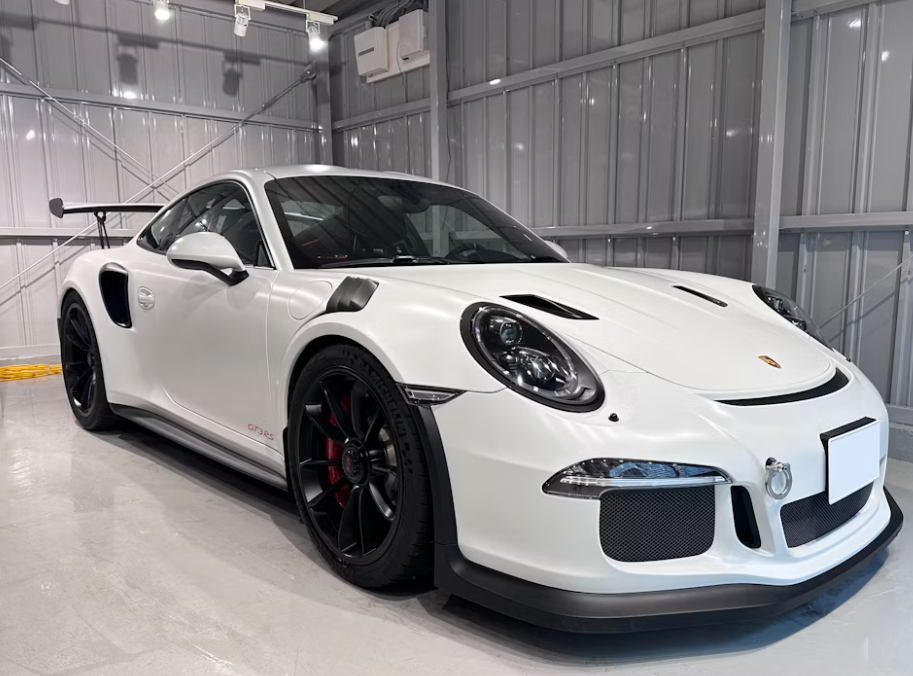
PPF absorbs impacts from small stones and debris that would otherwise chip paint. Many modern films have self-healing top layers that relax light swirls with heat.
Coverage options
- Front end — bumper, bonnet, wings and mirrors
- Track pack — front end plus high-impact areas
- Full body coverage
- Gloss or matte (stealth) PPF finishes
PPF vs vinyl wrap
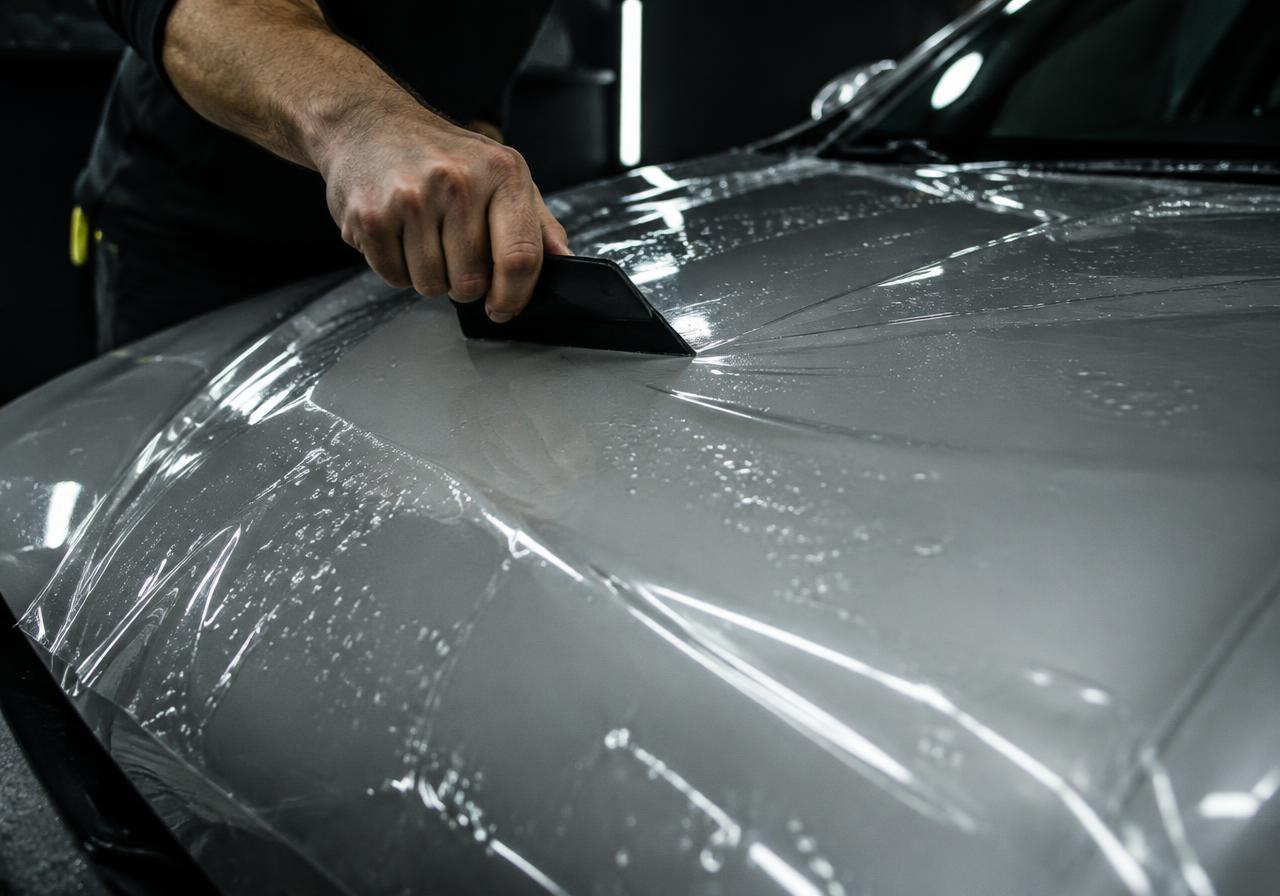
Vinyl is about changing appearance. PPF is about protection — it's thicker and designed to take impacts while staying near-invisible (or giving a matte look).
Care
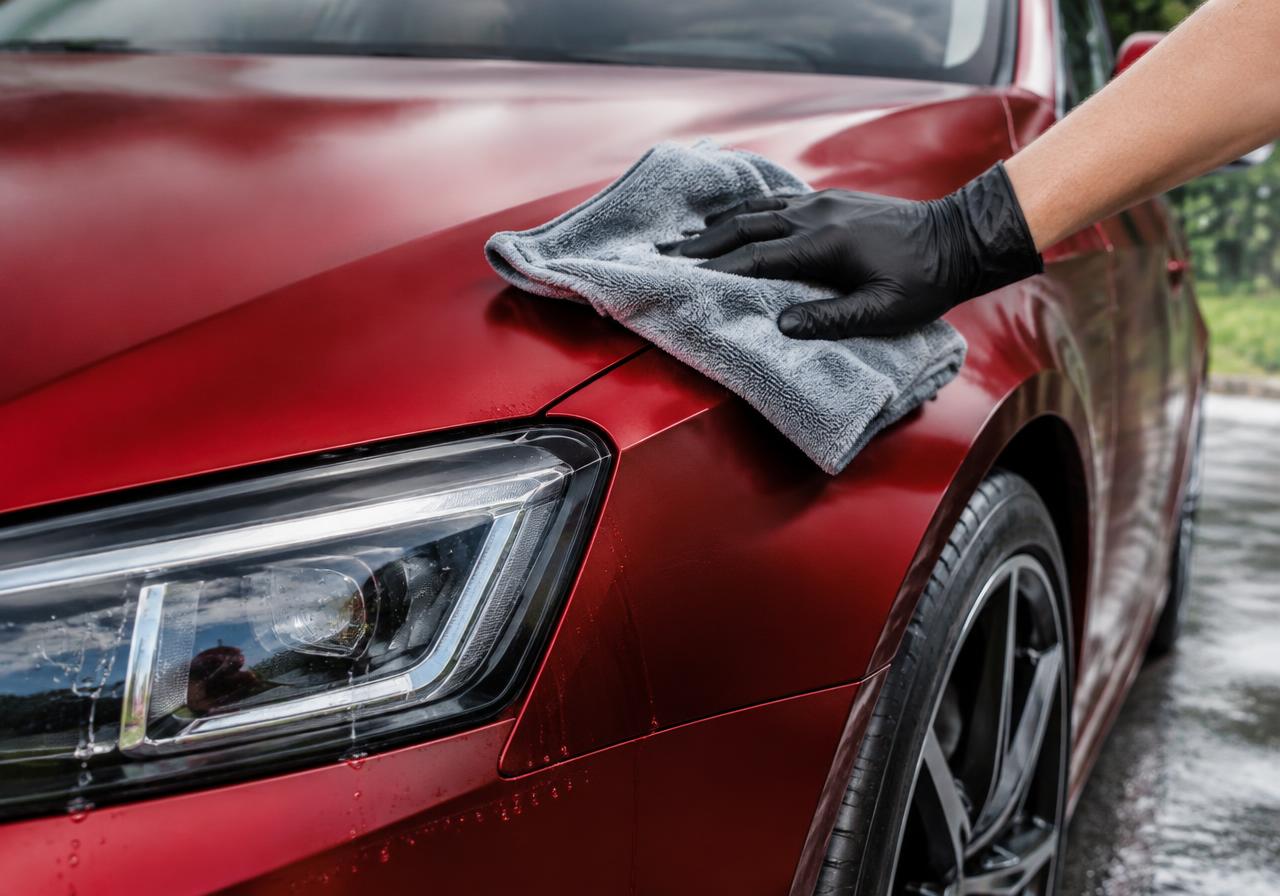
Hand wash, avoid pressure-washing edges and follow the care period advised after installation. PPF can be combined with ceramic coating.
Choose PPF coverage by exposure
Front-end and high-contact areas
The front bumper, bonnet leading edge and mirror caps commonly receive road debris, while door cups and loading edges face a different kind of contact. A coverage plan can target those areas or extend across the body. Partial bonnet coverage leaves a film boundary that may be visible on close inspection. Decide whether broad protection, reduced visible joins or a smaller scope matters most, then compare precisely which panels each option includes.
Self-healing has limits
Some PPF top coats can relax light surface swirls under conditions specified by their manufacturer. That does not mean a torn film, deep cut or dent repairs itself. Stone impacts can still damage paint if they exceed what the material can absorb. Check the actual product specification rather than applying a generic claim to every film. Clear PPF also has a surface texture and edges, so an entirely invisible result should not be assumed.
Samples and expectations before approval
Before selecting paint protection film, check how the proposed surface appears under direct light and in shade. A digital image may alter saturation, contrast and sheen, while a small sample cannot reproduce the curvature of an entire car. Ask which aspects of your reference are achievable with the material being proposed. Keep styling expectations separate from protection claims and maintenance requirements. If you are coordinating multiple surfaces, confirm that their textures work together rather than assuming identical colour names mean identical appearances. Record the preferred product and coverage so the eventual decision refers to an agreed specification, not just an inspiration photograph.

Dubai conditions and everyday ownership
Sun exposure and parking habits
For paint protection film, the way a vehicle is used matters as much as the colour or product selected. A car parked outside through the day has a different exposure pattern from one usually kept under cover. Roofs, bonnets and boot lids receive direct sunlight differently from vertical doors. Dubai’s heat, airborne dust and occasional road contamination make regular inspection useful. No single lifespan applies to every car or material. Explain your parking habits and driving routine when discussing suitability, and follow the care instructions for the actual product rather than a generic internet estimate.
Dust is a cleaning issue, not a reason to scrub
Fine grit should be rinsed away before a cloth touches the surface. Wiping a dusty car dry can drag particles across paint, film or a coated surface. After a dusty journey, use a gentle wash with a compatible shampoo and a clean drying towel. Shaded washing helps avoid rapid drying and visible water marks. Coastal parking and long motorway trips may call for more frequent cleaning, but that is a maintenance consideration rather than a promise that a treatment prevents all environmental effects.
Preparation and the agreed scope
Describe the existing condition
Share clear photographs of the bonnet, roof, bumpers and sides, together with any damaged or repainted areas. Mention previous surface treatments and remaining adhesive from older graphics. A photograph helps begin an enquiry but cannot establish every adhesion or paint issue. The surface needs an appropriate assessment before the final approach is agreed. Any repair requirement should be separated from the selected appearance or protection treatment, so you understand what is included and what may need attention first.
Confirm materials before deciding
A useful proposal identifies the product, the intended finish and the covered surfaces. For paint protection film, ask whether small trim pieces, hidden returns or existing material removal are included where relevant. Different products can share a colour name without behaving or looking the same. Availability should be confirmed rather than inferred from a gallery image. The final specification matters more than broad adjectives: it gives you a practical basis for comparing options, understanding limitations and choosing a treatment that matches your priorities.
What to check after application
Review the finish in suitable light
Look at the main panels from several angles and check the agreed edges, inlays and joins. Around complex curves, planned seams can be part of a suitable installation rather than an unexpected defect. Ask how to recognise an edge that needs attention and what not to touch during the initial settling period. Avoid lifting film corners or testing adhesion yourself. Keep the agreed material and coverage details so any later discussion refers to the actual specification.
Care that preserves the intended finish
Use compatible products
Choose cleaners for the actual surface rather than assuming every automotive shampoo, wax or polish is interchangeable. Matte and satin need special attention because products designed to increase shine can alter their appearance. Keep pressure-washer nozzles away from film edges and follow the advised washing interval after application. Bird droppings, insects and oily residue should be removed promptly using a gentle compatible approach. If a mark does not release easily, stop and ask rather than using aggressive rubbing or an untested solvent.
Inspect rather than ignore changes
Look periodically for staining, lifting edges, unusual texture or other changes. Catching a concern early is more useful than waiting until it becomes widespread. Different panels can weather at different rates, and replacement material may look slightly different from an older exposed section. For film removal, surface history and material condition matter; for coatings, cleaning and reassessment determine the next step. Neither option should be treated as a permanent repair for underlying paint damage.
Request a relevant personalised quote
For paint protection film, send the make, model, year, current colour and your preferred outcome. Identify whether you want a complete treatment or selected panels and include photographs of any concerns. Say whether your priority is appearance, easier cleaning, protection from road debris or a combination, because those goals call for different products. A clear enquiry avoids comparing unrelated packages. Review the written scope, product specification and any preparation needs before deciding; prices and completion arrangements should be confirmed for your own vehicle rather than borrowed from an example online.