How To Do Car Wrapping in Dubai With Purpose
A car wrap can alter the character of a car without replacing its existing paint. Automotive vinyl is applied to suitable surfaces to create a different shade, sheen or graphic treatment. It can cover the visible exterior or focus on selected accents such as a roof, bonnet and mirror caps. At Dubai Elite Car Wrapping, the starting point is the outcome you want: a subtle refresh, a distinctive design or a coordinated finish across the body and trim. That decision is easier when you understand what each material can and cannot do.
Colour, finish and body shape
A colour name tells only part of the story. Gloss reflects surrounding buildings and light, satin softens those reflections, and matte makes curves read through shade. Metallic and pearlescent films can shift in appearance as you move around a panel. A dark colour may make a car look restrained, while a lighter shade can reveal more of its body lines. Compare the finish with the wheels, window trim and original details before choosing. A physical sample outdoors is a better guide than a screen image alone.
What vinyl does not repair
A wrap follows the underlying surface. It does not remove dents, stabilise lifting clear coat or correct an uneven repair. Factory paint, repainted panels and damaged areas can behave differently during application and eventual removal. Share any known repairs or existing film when making an enquiry. Photographs help explain the car’s condition, but an appropriate surface assessment is still needed before the final approach is agreed. Appearance changes should never be mistaken for a solution to structural or paint problems.
Full wraps, partial accents and custom graphics
A vinyl wrap car colour change: full exterior coverage
For a vinyl wrap car project, full wrapping changes the main visible painted panels, giving the car a coordinated new appearance. Bumpers, bonnet, roof, doors and mirrors all need to be considered in the coverage plan. Door returns and hidden inner areas are not automatically included, so discuss them if the original colour is strongly different from the proposed vinyl. Complex bumpers can require planned joins or inlays. A clear written panel list helps you compare options and understand the result rather than relying on the broad phrase full wrap.
Smaller changes with a clear visual theme
Partial wrapping suits owners who prefer to keep most of the original paint visible. A gloss black roof, carbon-look bonnet or coordinated mirror caps can create contrast without a full-body colour change. Think about how those details connect from the front, side and rear. Narrow trim and textured parts require their own compatibility checks; not every component can be covered reliably. For custom designs, stripes and printed artwork must also account for panel gaps, handles and changing body contours so the finished layout remains coherent.
Understand the different wrap finishes
Gloss, satin and matte
Gloss is the most reflective of these three options and is often chosen for a paint-like appearance. Satin provides a softer sheen, while matte diffuses light for a flatter look. None is automatically best for every vehicle or daily routine. Matte and satin need cleaning products that preserve their original sheen, because conventional polish or gloss-enhancing wax can leave uneven patches. Gloss also requires careful washing to limit visible cleaning marks. Choose the appearance you enjoy, then make sure the maintenance approach suits how you use the car.
Colour-changing car wrap, metallic and chrome options
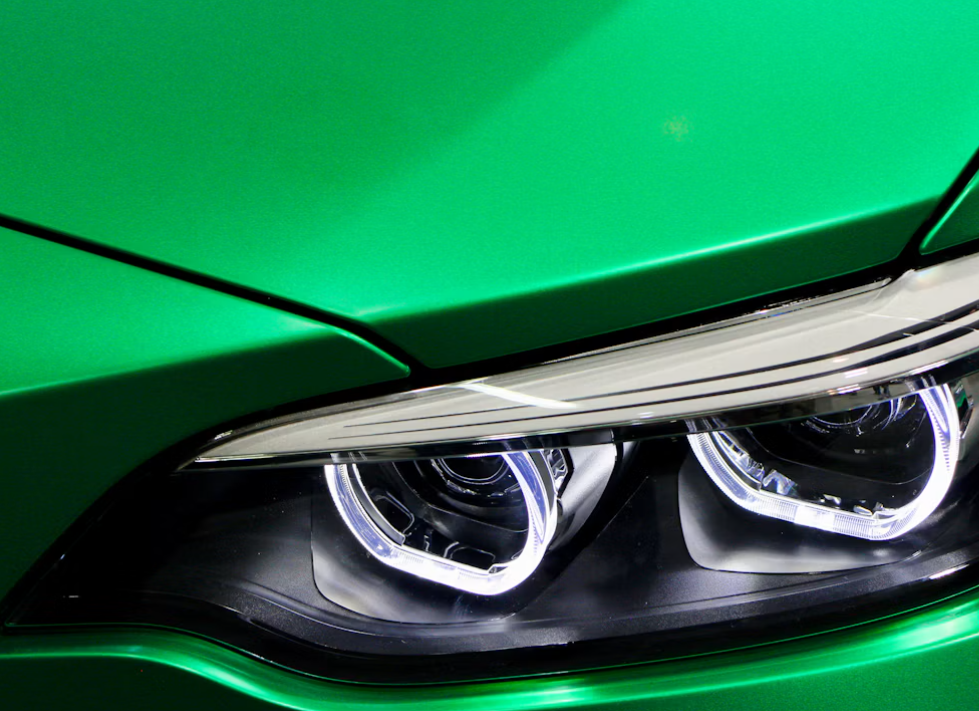
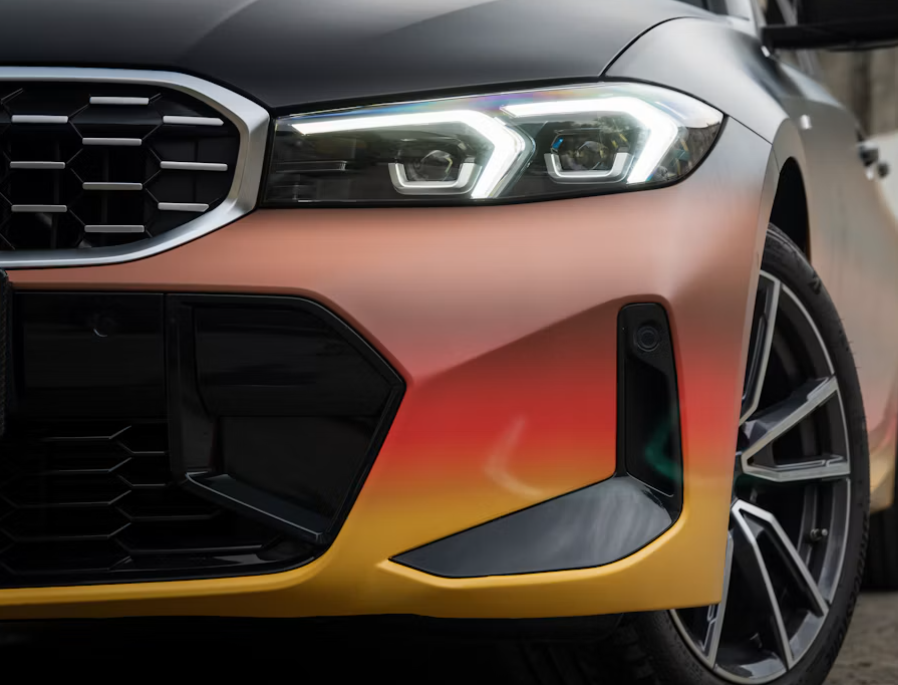
A colour-changing car wrap can mean either replacing the original body colour with a new shade or choosing colour-shift vinyl that appears different as the viewing angle and light change. These are different effects: a solid green wrap stays green, while a colour-shift film may reveal several tones across the same panel. Compare a physical sample in daylight and shade before deciding. Metallic vinyl offers depth through reflective particles without necessarily producing a mirror effect. Chrome is much more reflective and can be demanding around complex curves, so discuss limitations and applicable vehicle appearance requirements before choosing it. Carbon-look vinyl imitates a woven pattern; it is a styling film, not a structural carbon-fibre part. Pattern direction and scale matter especially on wide bonnets or neighbouring trim pieces. Custom printed and colour-shift materials add further options, but their appearance and availability should be confirmed for the specific product.
Paint protection film and ceramic coating: different priorities
PPF for selected impact exposure
Paint protection film is generally thicker than decorative vinyl and is intended to help reduce damage from small stones and road debris. Coverage can focus on the front end, high-contact areas or a wider portion of the body. Some products offer a top layer that can relax light surface swirls under specified conditions, but deep cuts, dents and tears do not disappear automatically. PPF still has edges and a surface texture. Decide which areas matter most and review the actual product specification rather than expecting completely invisible or unlimited protection.
Ceramic coating for surface behaviour and cleaning
Ceramic coating is a thin treatment that can change water behaviour and support easier cleaning. It is not a cushioning film and does not make a car immune to scratches, stone chips or water spots. Products intended for glossy paint may not suit matte vinyl or a particular PPF, so compatibility must be checked before combining treatments. Preparation affects the result because existing marks and contamination do not simply vanish beneath a coating. If your priority is colour, choose a wrap; if it is impact resistance, discuss PPF; if it is cleaning behaviour, consider a suitable coating.
Care for a wrapped car in Dubai
Sun, dust and everyday parking
Dubai’s heat and sunlight make parking habits relevant to material selection and maintenance. Horizontal panels receive exposure differently from doors, and a car left outdoors all day is not used in the same conditions as one usually kept under cover. No fixed film lifespan applies to every vehicle. Dust should be rinsed off before a cloth touches the surface, because dry wiping can drag grit across the finish. Where practical, wash in shade to reduce rapid drying and remove insects or bird droppings promptly with a compatible cleaner.
Gentle washing and regular checks
Use a suitable shampoo, clean wash tools and a soft drying towel. Avoid aggressive brushes, abrasive compounds and pressure-washer jets directed closely at film edges. Follow the washing interval advised for the chosen material after application. Check periodically for staining, edge lifting or changes in texture, and ask about persistent marks before trying an untested solvent. Different panels can weather at different rates, so a replacement piece may not perfectly match older exposed film. Keeping the material details helps make future care and removal decisions specific to your car.
Car wrap cost: what affects your quote?
Car wrap cost depends on vehicle size, body complexity, material and coverage. A compact coupe needs a different quantity and layout of film from a large SUV. Specialist chrome or printed graphics may involve different handling or production work from a standard colour change. Removing old material, assessing repaired paint and covering hidden returns can change the scope too. Compare proposals that identify the same panels, product and preparation rather than judging only a headline total. Our cost guide explains these factors without inventing prices or implying every car fits a standard package. For a useful estimate, share your car model, preferred finish and a panel list, and ask whether removal of existing film or additional preparation is included.
Looking for a car wrap near me in Dubai?
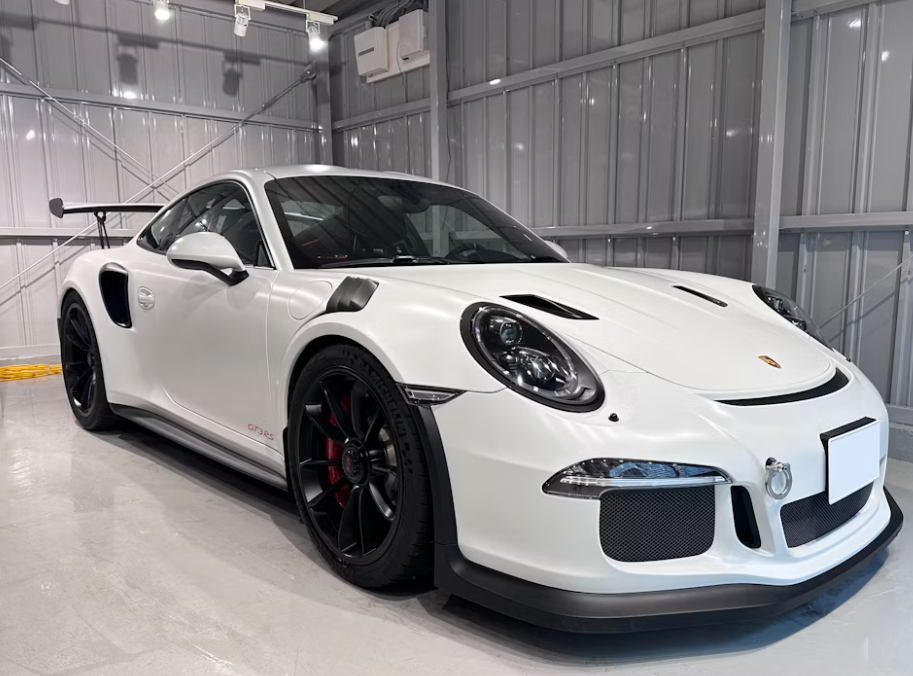
If you are searching for a car wrap near me, start with the area guides below and explain your neighbourhood when requesting a quote. Confirm appointment arrangements and the practical details before making travel plans; an area guide is not a claim of a local branch. Compare the proposed material, coverage and care requirements as well as convenience. Different daily routines call for different choices. Waterfront living around Dubai Marina and Palm Jumeirah makes coastal parking and regular cleaning worth discussing. Jumeirah combines coastal streets with low-rise residential surroundings, while Business Bay mixes office journeys, residential towers and canal-side destinations. Al Quoz has its own mix of residential neighbourhoods, commercial activity and cultural spaces. Browse the dedicated area guides for relevant local context, then choose your finish according to the car and its actual use. An area name does not determine the material or replace a personalised assessment.
From inspiration to a clear quote
Use the gallery to compare appearances and the wrap preview to explore combinations, remembering that both are illustrative rather than exact colour proofs. When you are ready, provide the make, model, year and current colour, the finish you prefer and whether you want full coverage or selected accents. Include photographs and mention any paint repairs, existing film or concerns. Explain whether your main objective is style, easier cleaning or protection from road debris. The final material, coverage and preparation should be confirmed for your vehicle before you decide, so the quote answers the question you actually came to ask.